Vanilla Ice Cream with Seeds: Does It Always Contain Real Vanilla?

We all know the image: a creamy scoop of vanilla ice cream with those tiny black specks inside. Most people immediately think: That must be real vanilla! But the truth is a little more complicated.


How is Vanilla Extract Made?

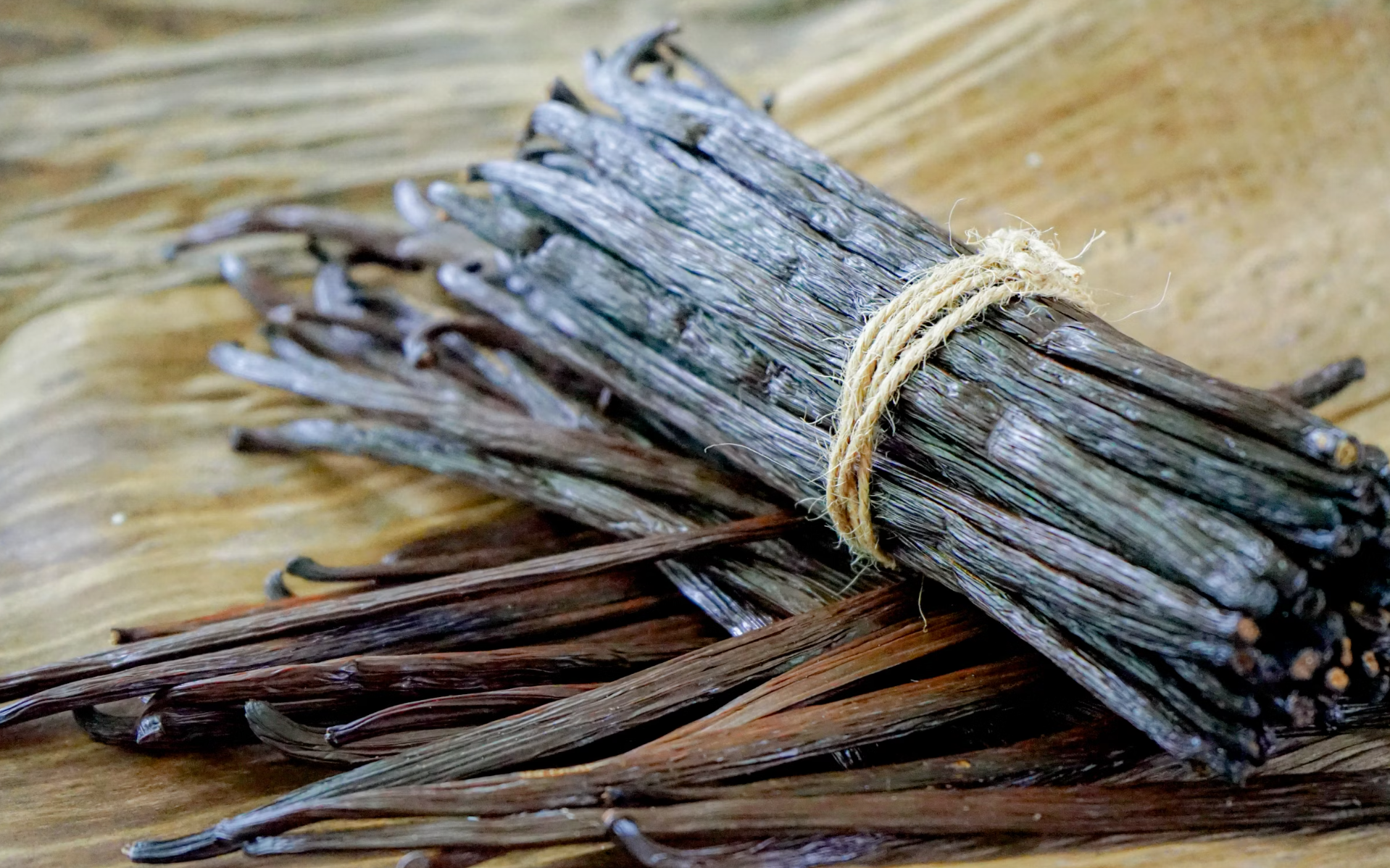
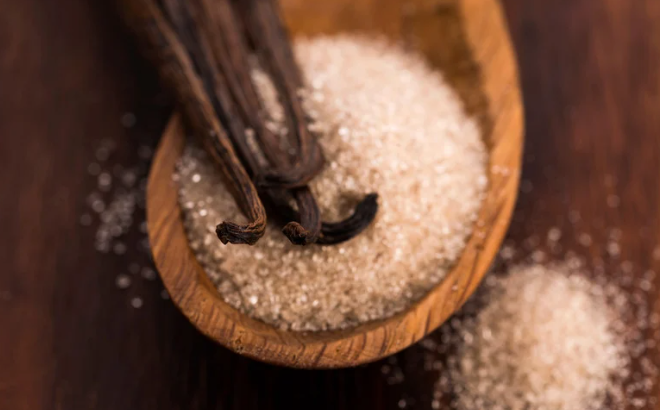
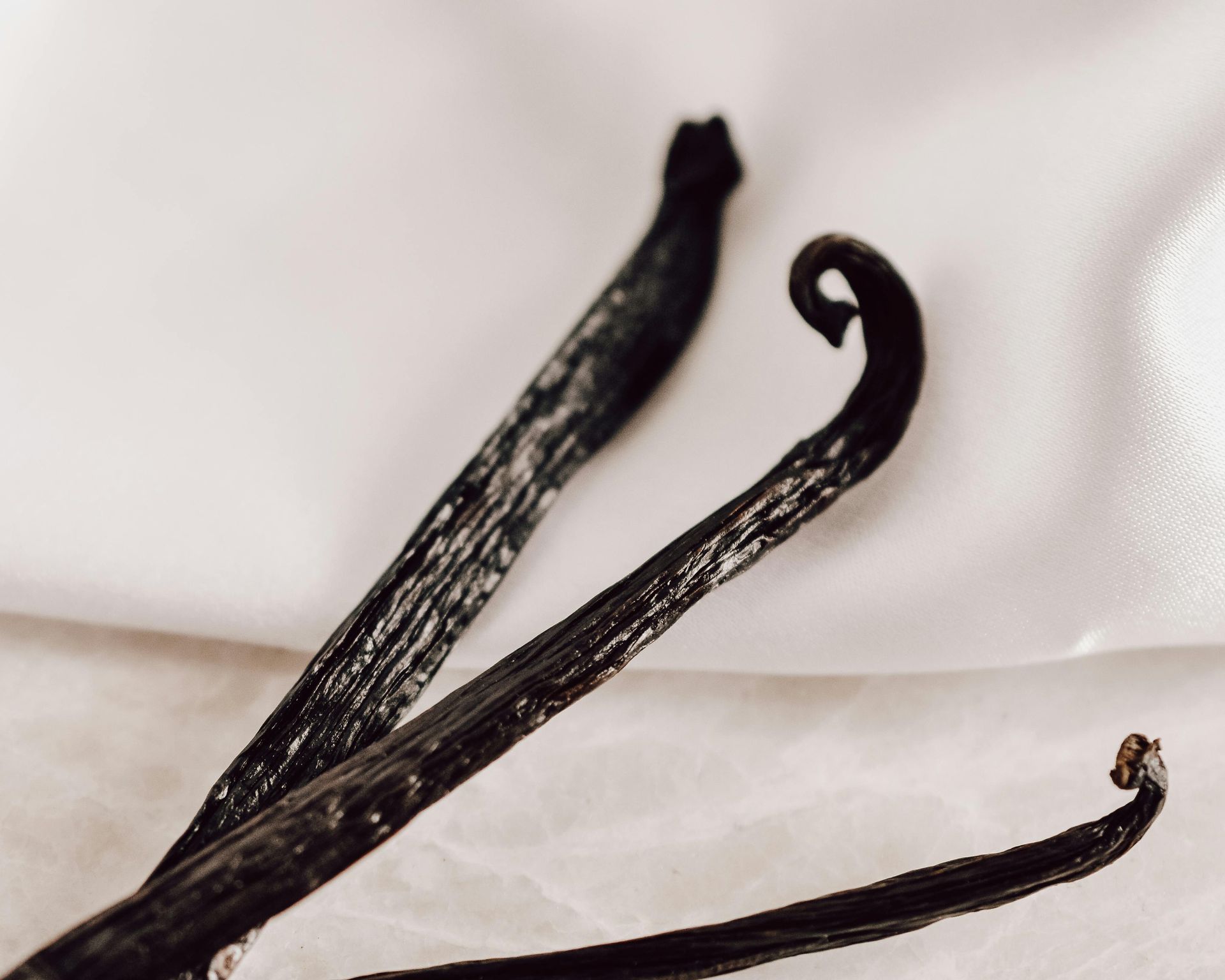
Vanilla extract is produced by soaking vanilla beans in alcohol. During this process, all flavor and aroma compounds are extracted from the bean. The beauty of this method? It’s a zero waste process.

Once the extraction is complete, the so-called spent vanilla beans (also known as exhausted beans) remain. If the extraction has been done correctly, these beans have no flavor or aroma left. At first glance, they may seem useless… but that’s not the case.


From Waste to Valuable Powder

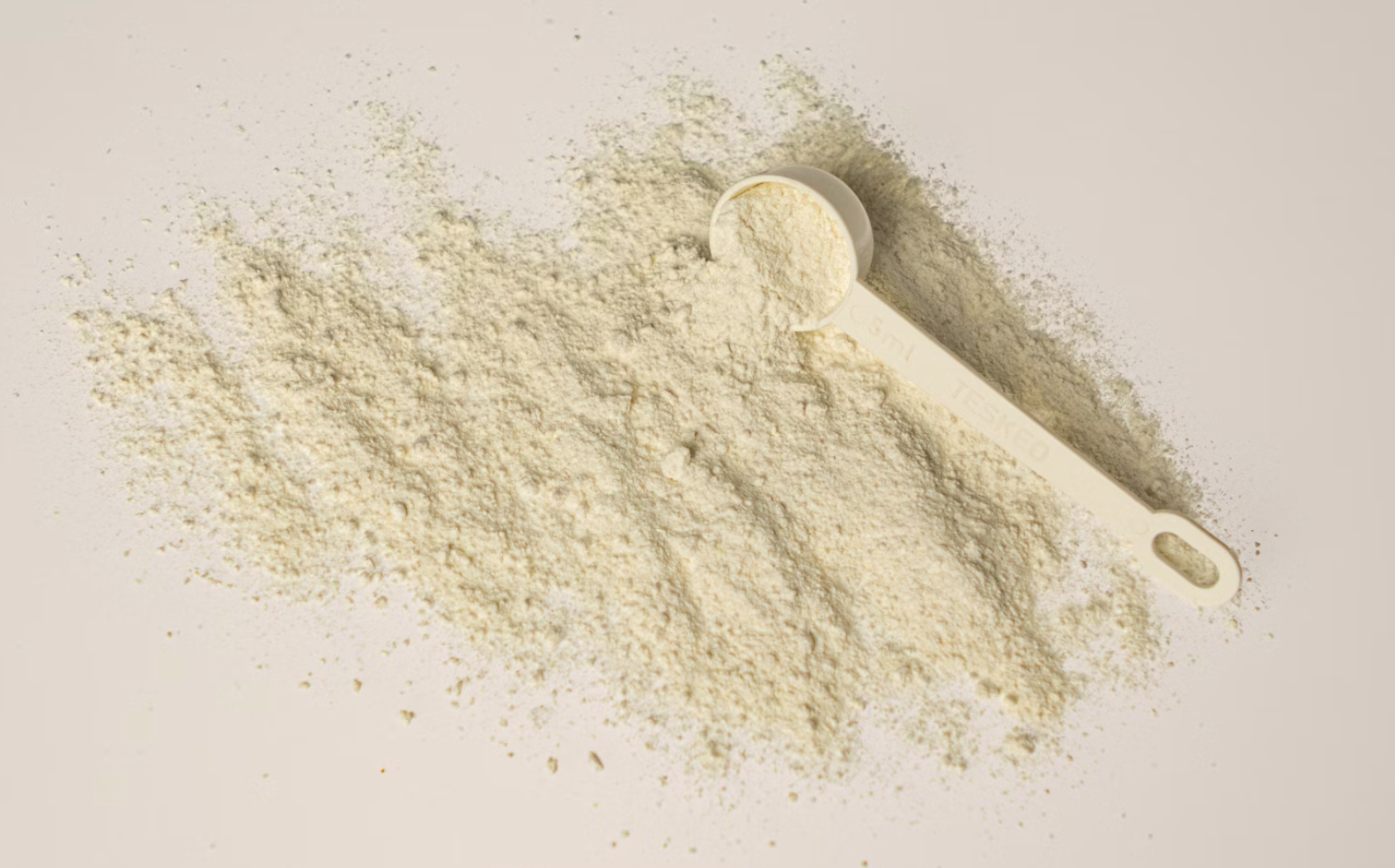
The exhausted beans are oven-dried and finely ground into a dark powder. This vanilla seed powder is highly sought after in the food industry. Not because of its taste, but for another reason: appearance matters.


Why the Black Specks Are So Popular

Consumers naturally associate black specks with real vanilla. Manufacturers know this and use it to their advantage:

  • They add synthetic vanilla (vanillin or “vanilla flavor”) for the taste.
  • Then they blend in some exhausted vanilla powder for the look.

The result? A product that looks like it contains real vanilla, even if it doesn’t.


Is That a Problem?

From a health perspective, there’s nothing wrong with exhausted vanilla beans or synthetic vanillin. However:

  • You’re often paying more for a product that doesn’t actually contain real vanilla.
  • Consumers are essentially being misled.

If you want to make sure you’re using real vanilla extract, always check the label. Look for terms like vanilla extract or vanilla beans — and be cautious when you see vanillin or flavoring.


Conclusion

The little black specks in your vanilla ice cream are not always a sign of real vanilla. More often than not, they come from exhausted vanilla beans, used mainly as a visual trick. The actual flavor usually comes from synthetic vanillin.

At Dutch Essentials, we believe in pure, natural flavors. That’s why we supply authentic vanilla extracts and more than 100 other natural flavors for professionals who value transparency and quality.


👉 Explore our range: Dutch Essentials – Natural Flavours
👉 Or contact us directly at michel@dutch-essentials.com
by Michel Goldbach 20 November 2025
More Than a Flavor: The Mythological Origin of Our Premium Aroma At Dutch Essentials, we understand that vanilla is more than just an ingredient; it is a rich, complex experience. It has symbolized luxury, comfort, and purity for centuries. But before our advanced extraction processes unlocked the pure essence of the bean, the vanilla plant held a profound, almost divine significance. We take you back to the dense forests of Mexico, where the Totonac people, the original cultivators of vanilla, tell the true history of this captivating aroma.
by Michel Goldbach 6 October 2025
Stop Wasting Time: The Problem with Real Vanilla in Fat-Based Recipes
by Michel Goldbach 6 October 2025
The Great Vanilla Lie: Stop Cheating Yourself with Expensive Store-Bought Vanilla Pods
by Michel Goldbach 3 September 2025
Autumn Favorites: The Flavors That Define the Season Autumn is the season of warmth, comfort, and rich indulgence. As the days grow shorter and evenings longer, we crave flavors that bring a sense of coziness and intensity to what we eat and drink. At Dutch Essentials, we love highlighting our favorite fall flavors — 100% natural, versatile, and perfect for elevating both recipes and beverages.
by Michel Goldbach 19 August 2025
The Vanilla Extract Scam: How to Spot Real Quality Vanilla extract is a staple in kitchens worldwide, but did you know there’s a hidden scam in the industry? Many products labeled as vanilla extract may not be as high-quality as you think.
by Michel Goldbach 22 July 2025
The Rise of Clean Label: What Today’s Consumers Want and Why It Matters for Natural Ingredients In recent years, the food and beverage industry has witnessed a powerful shift in consumer expectations — a growing demand for transparency, simplicity, and naturalness. At the heart of this movement lies the clean label trend , and it's shaping the future of product innovation across the globe. At Dutch Essentials, where we specialize in high-quality natural flavors, we see this evolution not as a challenge but as a natural extension of what we already stand for: clean, conscious, and trusted ingredients.
by Michel Goldbach 8 July 2025
Is There Castoreum in Your Vanilla Ice Cream?
by Michel Goldbach 23 June 2025
Why Powdered Flavors Are a Smart Choice in Modern Product Development In today’s fast-paced food, beverage, and nutraceutical markets, product developers and formulators are continuously looking for ingredients that offer flexibility, performance, and efficiency. One ingredient type that continues to gain popularity is flavor powders – and for good reason. At Dutch Essentials , we specialize in crafting high-quality powdered flavors designed to meet the diverse needs of manufacturers across multiple sectors.
by Michel Goldbach 25 May 2025
What is Boswellia? Common names: Boswellia, Boswellia carterii, Somalian frankincense Latin name: Boswellia carterii Boswellia carterii is a tree native to the dry mountainous regions of Northern Africa, and the Middle East. The resin obtained from the bark of the tree has been used for centuries in traditional Ayurvedic medicine for its anti-inflammatory and pain-relieving properties. Known commonly as frankincense, Boswellia resin is also used in aromatherapy and topical applications. At Dutch Essentials, we offer high-quality, standardized Boswellia extract, produced with care and scientific precision to deliver consistent potency and purity.
by Michel Goldbach 21 April 2025
Why Is Vanilla So Expensive, Yet Found Everywhere? Vanilla is one of the world’s most popular and beloved flavors. From ice cream to cookies, yogurt to drinks – it’s everywhere. But if you’ve ever tried buying real vanilla at the store, you know it can be outrageously expensive. So how can something so costly be so common?